




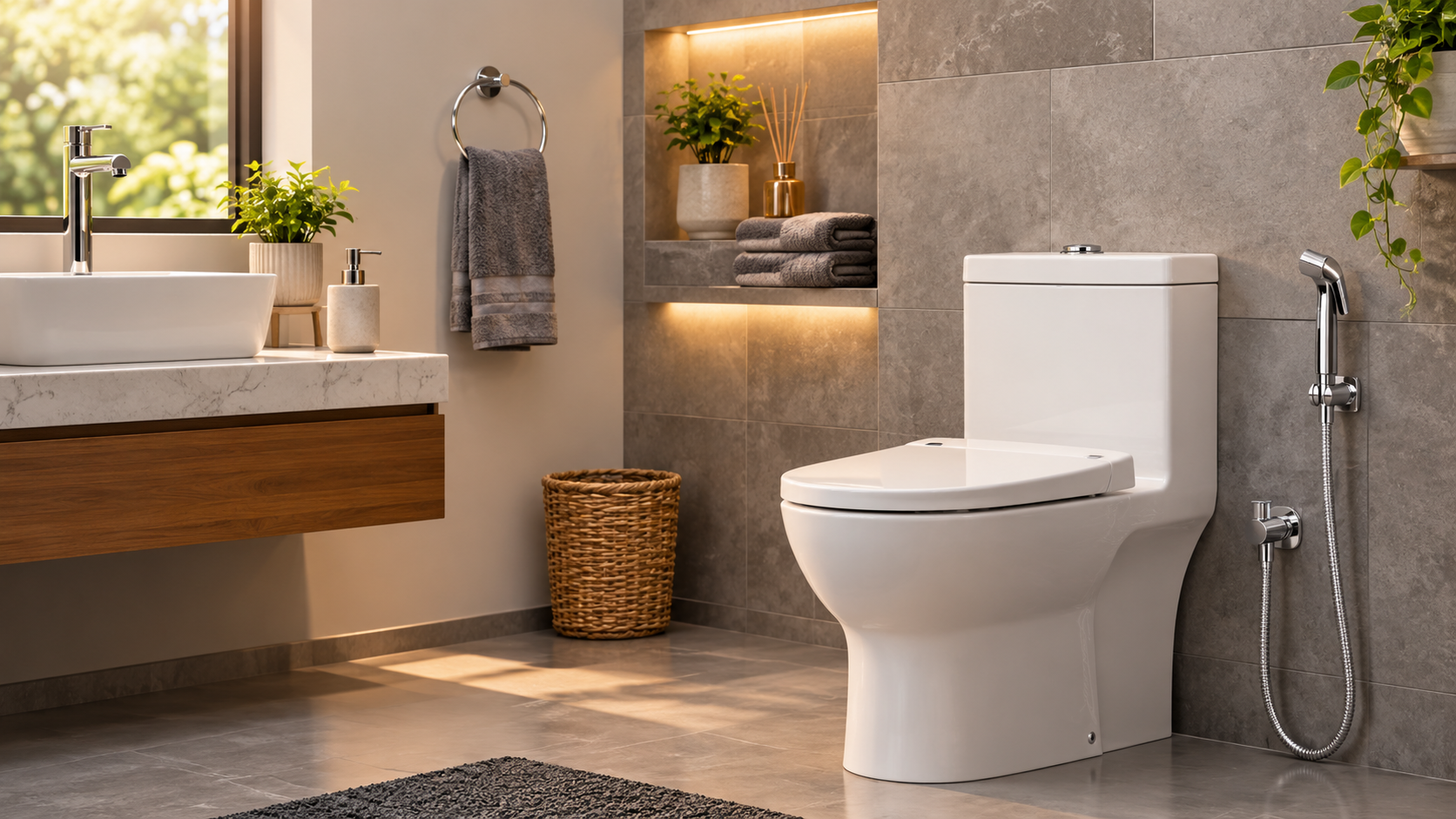
A toilet that does not flush properly can quickly become an inconvenience in any home. Sometimes the flush button or lever stops responding, while in other cases the toilet flushes weakly, takes too long to refill or continues running after the flush cycle is complete. These problems may appear minor initially, but they can lead to water wastage, poor toilet hygiene and recurring plumbing issues if left unresolved.
The good news is that many common toilet flushing problems can be diagnosed and fixed without replacing the entire toilet. A loose flush handle, damaged flapper, faulty fill valve, incorrect water level or blocked rim holes may be responsible. Identifying the actual cause is important because different flushing problems require different repair methods.
Modern toilets use a combination of components inside the cistern and the toilet bowl to create an effective flushing action. When one of these components stops working correctly, the toilet may fail to remove waste efficiently or may not flush at all.
This guide explains how a toilet flushing system works, why common flush problems occur and how to troubleshoot them step by step. It also covers practical repair methods, preventive maintenance, common mistakes to avoid and situations where calling a professional plumber is the better option.
How Does a Toilet Flushing System Work?
Understanding how a toilet flush works makes it easier to identify the source of a problem. Most conventional toilets use a cistern-based flushing mechanism. The cistern stores water and releases it into the toilet bowl when the flush button or lever is activated.
The released water creates a rapid flow through the bowl and into the trapway, helping carry waste into the drainage system.
Although toilet designs differ, most cistern-based flushing systems contain the following components:
- Cistern: The tank that stores water required for flushing.
- Flush valve: The mechanism that releases water from the cistern into the toilet bowl.
- Flush button or lever: The external control used to activate the flushing mechanism.
- Fill valve or inlet valve: The component that allows fresh water to enter the cistern after flushing.
- Float mechanism: Controls the water level inside the cistern and signals when the tank has refilled.
- Overflow tube: Prevents the cistern from filling beyond its intended level by directing excess water into the toilet bowl.
- Flapper or flush seal: A sealing component used in certain cistern designs to control the release of water.
- Rim holes or flushing channels: Distribute water around the inside of the toilet bowl during flushing.
When the flush button is pressed, the flush valve opens and releases stored water into the bowl. After the water has been discharged, the valve closes and the fill valve allows the cistern to refill.
The float mechanism monitors the rising water level and stops the incoming water once the required level is reached.
If the flush valve does not open correctly, the toilet may not flush. If the fill valve does not work properly, the cistern may not refill. Similarly, if the flushing channels become blocked, water may not circulate around the bowl effectively.
Common Toilet Flushing Problems and Their Causes
Toilet flushing problems can occur for several reasons. Some are related to the cistern mechanism, while others involve the toilet bowl, trapway or drainage pipes.
Before starting a repair, observe what happens when you press the flush button or operate the lever. Does nothing happen? Does the toilet release water but fail to clear the bowl? Does the flush work but the cistern continue running?
The symptoms can help narrow down the possible cause.
| Toilet flushing problem | Possible cause | What to check |
|---|---|---|
| Toilet does not flush at all | Disconnected button, faulty flush valve or empty cistern | Flush control, water supply and internal mechanism |
| Weak toilet flush | Low cistern water level, blocked rim holes or restricted drainage | Water level, flushing channels and trapway |
| Toilet flush button is not working | Loose linkage, damaged button or faulty mechanism | Button assembly and connecting parts |
| Toilet keeps running after flushing | Faulty flush seal or fill valve | Flush valve, flapper and float mechanism |
| Cistern is not filling | Closed supply valve, blocked inlet or faulty fill valve | Water supply and inlet valve |
| Toilet takes too long to refill | Low water pressure, restricted inlet or partially blocked valve | Supply line and fill valve |
| Toilet flushes slowly | Partial blockage or poor water flow | Bowl, trapway and drainage system |
| Toilet overflows during flushing | Blocked trapway or drainpipe | Bowl water level and drainage |
| Flush button gets stuck | Damaged spring, misaligned button or faulty mechanism | Flush button assembly |
| Water leaks from the cistern | Damaged seals, loose connections or cracked cistern | Cistern joints and inlet connections |
A single symptom may have more than one possible cause. For example, a weak flush can result from low water levels inside the cistern, mineral deposits in the flushing channels or a partial blockage in the toilet trapway.
How to Fix a Toilet That Is Not Flushing at All
If pressing the flush button or operating the flush lever produces no response, the problem may be inside the cistern or connected to the flush control.
Start by checking whether the cistern contains water. If the tank is empty, the issue may be related to the water supply or fill valve rather than the flush mechanism.
Check the Water Supply
A toilet cannot flush properly if the cistern does not contain enough water.
Locate the water supply valve connected to the toilet. Check whether it is open and whether the supply pipe is kinked, damaged or visibly leaking.
If the valve has been accidentally turned off, open it carefully. Allow the cistern to fill and test the flush again.
If water is not entering the cistern even when the supply valve is open, the inlet valve may be blocked or faulty. Low water pressure or an issue with the building's water supply may also be responsible.
Do not force a stiff or corroded isolation valve. If it does not operate normally, seek assistance from a plumber.
Inspect the Flush Button or Lever
A flush button or lever transfers the force applied by the user to the internal flushing mechanism.
In a conventional lever-operated toilet, the handle may connect to the flush valve through a chain or lifting arm. In a push-button toilet, the button may operate the valve through rods, cables or a mechanical linkage.
If the button moves without activating the flush, the connecting mechanism may have become detached or damaged.
To inspect it:
- Remove the cistern lid carefully if the toilet design allows access.
- Check whether the button linkage is connected to the flush valve.
- Look for broken plastic parts, disconnected rods or loose fittings.
- Reconnect a detached component if the mechanism is designed for simple reassembly.
- Test the button gently before replacing the cistern lid.
Some modern cisterns use specialised dual-flush mechanisms. Refer to the manufacturer's instructions before removing or adjusting their internal components.
Check the Flush Valve
If the button and linkage appear to work but water is not released into the bowl, inspect the flush valve.
The flush valve controls the opening between the cistern and the toilet bowl. If it becomes stuck, damaged or incorrectly positioned, the stored water may not be released.
Check whether the valve is obstructed by debris or whether its moving parts are misaligned.
If the valve is damaged, replace it with a compatible model. The replacement must match the cistern's design, dimensions and flushing mechanism.
How to Fix a Weak Toilet Flush
A weak toilet flush occurs when the water released into the bowl does not have enough force or volume to clear waste effectively.
You may notice that waste remains in the bowl, water moves slowly during flushing or multiple flushes are required.
Repeated flushing is not a reliable solution. It can waste water and may cause the bowl to overflow if a partial blockage is present.
The following checks can help identify the problem.
Check the Water Level Inside the Cistern
The amount of water stored inside the cistern directly affects flushing performance.
If the water level is too low, the flush valve may release an insufficient volume of water to clear the bowl effectively.
Open the cistern carefully and observe the water level. Compare it with the manufacturer's recommended fill level or marked waterline, if available.
If the water level is below the recommended point, inspect the float and fill valve.
The float controls when the inlet valve stops allowing water into the cistern. If it is positioned incorrectly or becomes stuck, the tank may stop filling too early.
Adjust the float only according to the mechanism's instructions. Different fill valves use different adjustment methods.
Clean the Toilet Rim Holes
Many toilets have small openings beneath the rim through which water enters the bowl during flushing.
These openings help distribute water around the bowl and support the flushing action. Over time, mineral deposits, dirt and limescale can partially block them.
Blocked rim holes can lead to uneven water distribution, weak flushing and an incomplete cleaning action.
To clean accessible rim holes:
- Turn off the water supply if the cleaning method requires access to the flushing mechanism.
- Apply a suitable toilet cleaner according to its label.
- Allow the cleaner to work for the recommended duration.
- Use a soft brush to clean accessible areas.
- Rinse the bowl and test the flush.
Avoid inserting sharp metal objects into the rim holes. They can damage the ceramic surface or internal flushing channels.
If the toilet has concealed flushing channels, follow the manufacturer's cleaning guidance rather than attempting to dismantle the ceramic body.
Check for a Partial Blockage
A partial blockage in the toilet trapway can restrict water and waste movement.
The trapway is the curved passage inside the toilet that connects the bowl to the drainage pipe. Its shape also helps maintain a water seal that prevents sewer gases from entering the bathroom.
Toilet paper, excessive waste, sanitary products and other unsuitable materials can cause blockages.
If the bowl drains slowly or the water level rises unusually during flushing, use a suitable toilet plunger.
A flange-style toilet plunger is generally more effective for clearing toilet blockages than a flat sink plunger because it is designed to create a seal around the toilet outlet.
Position the plunger over the outlet, ensure there is enough water to cover its cup and use controlled push-and-pull movements.
If the blockage does not clear, do not continue forcing water through the toilet. A toilet auger or professional drain-clearing service may be required.
How to Fix a Toilet Flush Button That Is Not Working
A faulty flush button is a common issue in modern push-button toilets. It may become loose, fail to return to its original position or stop activating the flushing mechanism.
The problem may be caused by a disconnected actuator rod, damaged button spring, incorrect adjustment or a faulty flush valve assembly.
Inspect the Flush Button Mechanism
First, check whether the button moves normally when pressed.
If it feels unusually loose, the internal linkage may have become disconnected. If it feels stiff or remains pressed down, the mechanism may be misaligned or obstructed.
Remove the cistern lid carefully and inspect the button assembly.
Check for:
- Disconnected actuator rods
- Broken plastic clips
- Bent or misaligned linkages
- Damaged springs
- Dirt or deposits affecting movement
- Incorrect positioning of the button assembly
Clean accessible parts gently and reconnect components only if the design allows it.
Adjust the Dual-Flush Button Rods
Dual-flush toilets usually have separate controls for a smaller flush and a larger flush.
The button assembly may use two rods or a compatible actuator mechanism to operate the flush valve.
If the rods are too short, too long or incorrectly positioned, the buttons may not activate the valve properly.
Check the manufacturer's installation instructions and adjust the rods to the specified position.
Avoid making random adjustments. Incorrect rod length can cause the flush valve to remain partially open, resulting in continuous water leakage from the cistern into the bowl.
Replace a Damaged Flush Button
If the button is cracked, broken or no longer operates the mechanism despite correct alignment, replacement may be necessary.
Choose a replacement button that is compatible with the cistern and flush valve assembly. Flush buttons are not universally interchangeable, even if they look similar.
For concealed cisterns, access may be available through the flush plate or service opening. Follow the manufacturer's instructions to avoid damaging the wall finish or internal mechanism.
How to Fix a Toilet That Keeps Running After Flushing
A toilet that continues running after the flush cycle is complete can waste a considerable amount of water.
You may hear water entering the cistern continuously, notice a constant trickling sound inside the bowl or see a thin stream of water flowing down its surface.
The most common causes include a damaged flush seal, incorrectly adjusted float, faulty fill valve or flush valve that does not close completely.
Inspect the Flapper or Flush Seal
In many cistern designs, a flapper or rubber seal closes the outlet after the flushing cycle.
If this seal becomes worn, cracked, dirty or misaligned, water can continue escaping from the cistern into the bowl.
To inspect it:
- Turn off the water supply.
- Remove the cistern lid if accessible.
- Locate the flapper or flush valve seal.
- Check for cracks, deformation or dirt around the sealing surface.
- Clean away any visible debris.
- Check whether the seal sits evenly when the flush mechanism returns to its resting position.
- Replace the seal if it is damaged or no longer creates a proper closure.
Not all modern toilets use a traditional flapper. Some use a canister-style or other flush valve mechanism with a different sealing arrangement. Always identify the valve type before ordering replacement parts.
Adjust the Float Mechanism
The float controls the amount of water entering the cistern.
If the float is set too high, water may continue entering until it reaches the overflow tube. The excess water then flows into the toilet bowl.
Open the cistern and observe the water level while the tank refills.
If the water level is above the manufacturer's recommended fill line, adjust the float according to the fill valve instructions.
The float should move freely and stop the water supply once the correct level is reached.
If the float is damaged, waterlogged or stuck, replacing the fill valve assembly may be necessary.
Check the Fill Valve
The fill valve controls water entering the cistern after flushing.
A faulty fill valve may fail to shut off properly, causing continuous water flow and unnecessary wastage.
Inspect the valve for visible damage, debris or mineral deposits. If cleaning and adjustment do not resolve the issue, replace it with a compatible fill valve.
Before replacement, confirm the cistern's inlet arrangement, connection size and valve specifications.
How to Fix a Toilet Cistern That Is Not Filling
If the toilet flushes once but does not refill, the problem is likely related to the water supply, inlet valve or float mechanism.
Without a functioning refill system, the toilet will not have enough stored water for the next flush.
Check the Toilet's Water Supply Valve
The first step is to check whether water is reaching the cistern.
Locate the isolation valve on the supply pipe and confirm that it is open.
If the valve is open but water is not entering, inspect the visible supply pipe for bends, damage or signs of leakage.
If other taps and fixtures in the house also have low or no water supply, the issue may be with the main water supply rather than the toilet itself.
Clean a Blocked Fill Valve Inlet
Sediment and mineral deposits can restrict the inlet valve, reducing or stopping the flow of water into the cistern.
Some fill valves have accessible filters that can be cleaned according to the manufacturer's instructions.
Before inspecting the inlet:
- Turn off the water supply.
- Flush the toilet to reduce the water remaining in the cistern.
- Place a towel or container beneath the connection.
- Access the inlet filter only if the valve design allows it.
- Clean the filter gently.
- Reassemble the valve and restore the supply.
If the inlet remains blocked or the valve is damaged, replacement may be required.
Replace a Faulty Fill Valve
A fill valve that no longer opens or regulates water flow correctly may need to be replaced.
Choose a compatible replacement based on the cistern design, inlet position, connection size and available space.
For a concealed cistern, the replacement procedure may be more complicated because the internal components are accessed through a service opening. Professional installation is recommended if the valve cannot be safely reached.
How to Fix a Toilet That Takes Too Long to Refill
A toilet cistern that takes several minutes to refill may indicate restricted water flow or a malfunctioning inlet mechanism.
The longer refill time can make the toilet inconvenient to use, especially in households with frequent bathroom usage.
Common reasons include:
- Low water pressure
- Partially closed isolation valve
- Blocked inlet filter
- Kinked supply pipe
- Faulty fill valve
- Mineral deposits inside the inlet mechanism
Start by checking whether other bathroom fixtures also have low water pressure.
If the problem affects only the toilet, inspect the isolation valve and inlet pipe. If the supply appears normal, the fill valve may need cleaning or replacement.
Do not increase the water level beyond the manufacturer's recommended limit simply to compensate for a slow refill. The correct solution is to restore the intended water supply and valve performance.
How to Fix a Toilet That Overflows During Flushing
A toilet that overflows during flushing requires immediate attention.
If the water level rises towards the rim instead of draining away, stop flushing. Repeatedly pressing the flush button can cause water to spill onto the bathroom floor.
The most common reason is a blockage in the toilet trapway or connected drainage pipe.
Use a Toilet Plunger for a Minor Blockage
A suitable toilet plunger can help clear many common blockages.
Follow these steps:
- Stop flushing immediately.
- Allow the water level to settle if it is rising.
- Wear suitable protective gloves.
- Position a flange-style plunger over the toilet outlet.
- Ensure the rubber cup creates a proper seal.
- Push down gently and pull back to create suction.
- Repeat controlled movements several times.
- Check whether the water begins draining normally.
If the blockage clears, flush once to check whether the toilet is operating correctly.
Avoid using excessive force, as it can cause water to splash or damage the toilet.
Use a Toilet Auger for a Stubborn Blockage
If plunging does not work, a toilet auger may help reach a blockage deeper inside the trapway.
A toilet auger is designed to navigate the toilet's curved passage while reducing the risk of scratching the ceramic surface.
Use it according to the manufacturer's instructions. If the blockage is deep in the drainage system or affects multiple fixtures, contact a plumber.
Check for a Main Drainage Problem
If more than one bathroom fixture is draining slowly, the problem may be in the shared drainage line rather than the toilet itself.
Warning signs include:
- Water backing up in floor drains
- Gurgling sounds from multiple fixtures
- Unpleasant drain odours
- Water rising in another toilet when one is flushed
- Repeated blockages despite clearing the toilet
These symptoms can indicate a blocked main drain or ventilation problem. Professional inspection is recommended.
How to Fix a Dual-Flush Toilet That Is Not Working Properly
Dual-flush toilets are designed to provide two flushing options: a smaller flush for liquid waste and a larger flush for solid waste.
The smaller flush uses less water, while the larger flush releases more water to clear the bowl effectively.
If one or both buttons stop working, the problem may be related to the button linkage, flush valve or incorrect actuator adjustment.
Check the Small and Large Flush Buttons
Press each button separately and observe the flushing response.
If one button works but the other does not, the problem may be limited to one actuator rod or one part of the flush valve assembly.
If neither button works, check the common linkage and flush valve.
Inspect the Dual-Flush Valve
Some dual-flush valves use a central mechanism with separate settings for the smaller and larger flush volumes.
Check whether the mechanism is seated correctly and whether the button rods are aligned.
If the valve is damaged or the seals have deteriorated, replace the relevant component with a compatible part.
Check the Flush Volume Settings
If the toilet flushes but does not clear the bowl properly, the flush volume may be incorrectly adjusted.
Follow the manufacturer's guidance for setting the small and large flush volumes. Do not increase water usage unnecessarily. The aim is to achieve effective flushing within the cistern's intended operating settings.
How to Fix a Toilet That Flushes Slowly
A slow toilet flush may be caused by restricted water movement through the bowl, partially blocked flushing channels or an obstruction in the trapway.
The symptoms can look similar to a weak flush, but a slow flush often involves water moving out of the bowl more slowly than expected.
Start by observing the bowl during flushing.
If water enters the bowl but drains slowly, a partial blockage is likely. If water enters with weak force, inspect the cistern water level and flush valve.
Inspect the Toilet Trapway
The trapway is an internal passage that carries waste from the toilet bowl into the drainage system.
An obstruction in this passage can reduce flushing efficiency and cause water to rise before slowly draining.
Use a toilet plunger for a minor blockage. If the problem continues, a toilet auger or professional drain inspection may be required.
Check the Toilet's Flushing Channels
Mineral deposits can reduce water flow through the rim holes and internal flushing passages.
Clean accessible areas using a toilet cleaner suitable for the ceramic surface and follow the product instructions.
If the toilet has an internal channel blockage that cannot be accessed safely, consult a plumber.
How to Fix a Toilet Flush That Is Too Powerful or Uses Too Much Water
Not every flushing problem involves insufficient water. Some toilets may use more water than necessary or release water in a way that causes splashing.
Possible causes include incorrect flush volume settings, faulty dual-flush adjustment or an unsuitable replacement mechanism.
Check the manufacturer's recommended flush settings and ensure that the correct flush valve is installed.
Do not modify the cistern mechanism in a way that compromises flushing performance or causes incomplete waste removal.
A properly adjusted dual-flush system should provide sufficient flushing performance while avoiding unnecessary water consumption.
Common Toilet Flush Problems and DIY Repair Solutions
The following table can help homeowners identify the likely cause of a toilet flush problem and understand the appropriate next step.
| Problem | Likely cause | DIY repair approach | When to call a plumber |
|---|---|---|---|
| No flush after pressing the button | Disconnected linkage or faulty flush valve | Inspect the button and reconnect accessible parts | If the valve or concealed mechanism is damaged |
| Weak flush | Low cistern water level or blocked rim holes | Check the float and clean accessible openings | If the flush remains weak after basic checks |
| Flush button is loose | Damaged or disconnected actuator | Inspect the button assembly | If the button mechanism needs replacement |
| Toilet keeps running | Faulty seal or fill valve | Clean or replace the compatible seal | If the valve continues leaking |
| Cistern does not refill | Closed supply valve or blocked inlet | Check the supply and accessible filter | If the water supply or inlet valve needs repair |
| Slow cistern refill | Low pressure or restricted inlet | Inspect the supply pipe and fill valve | If the pressure problem is persistent |
| Toilet overflows | Blocked trapway or drain | Use a suitable toilet plunger | If the blockage does not clear or affects multiple fixtures |
| Dual flush does not work | Misaligned actuator rods or faulty valve | Check button alignment | If the internal mechanism is damaged |
| Water leaks from cistern | Worn seals or loose connections | Inspect accessible connections | If the cistern is cracked or concealed connections leak |
| Flush is inconsistent | Incorrect water level or intermittent valve operation | Inspect float and flush mechanism | If the problem repeatedly returns |
Tools and Materials Needed to Fix a Toilet Flush
The tools required depend on the type of toilet and the flushing problem.
A basic repair kit may include:
| Tool or material | Purpose |
|---|---|
| Adjustable spanner | Loosening and tightening suitable plumbing connections |
| Screwdriver | Removing compatible button assemblies and fittings |
| Protective gloves | Maintaining hygiene while handling toilet components |
| Soft cloth | Cleaning surfaces and wiping away water |
| Bucket | Collecting water during repairs |
| Toilet plunger | Clearing common toilet blockages |
| Toilet auger | Reaching stubborn blockages inside the trapway |
| Replacement washer or seal | Restoring a watertight connection |
| Compatible fill valve | Replacing a faulty cistern inlet mechanism |
| Compatible flush valve | Replacing a damaged flushing mechanism |
| Soft cleaning brush | Cleaning accessible flushing channels |
Always check the toilet model and mechanism before purchasing replacement parts. Cistern components can vary significantly in design, size and operation.
Common Mistakes to Avoid When Fixing a Toilet Flush
Attempting a repair without identifying the actual cause can make the problem worse. Some common mistakes can also damage the toilet or its internal components.
Repeatedly Flushing a Blocked Toilet
If the toilet bowl is already filling with water and draining slowly, repeatedly pressing the flush button can cause an overflow.
Stop flushing and allow the water level to settle. Use an appropriate plunger or seek professional help if the blockage cannot be cleared.
Forcing the Flush Button
A stuck or unresponsive flush button should not be forced.
Excessive pressure can break the actuator, damage the button assembly or misalign the internal mechanism.
Inspect the linkage and replace damaged components where necessary.
Using the Wrong Replacement Parts
Flush valves, fill valves, washers and button mechanisms are not universally interchangeable.
A replacement component must match the cistern design and manufacturer specifications. Incorrect parts may cause leaks, poor flushing or continuous water flow.
Adjusting the Water Level Without Checking the Mechanism
Increasing the cistern water level is not always the solution to a weak flush.
The problem may be caused by a blocked trapway, faulty flush valve or mineral deposits. Check the system before adjusting the float.
Pouring Boiling Water into the Toilet Bowl
Boiling water can create sudden temperature changes that may damage or crack ceramic surfaces.
Use appropriate toilet cleaning products and mechanical tools instead.
Mixing Different Cleaning Chemicals
Never mix bleach, acidic toilet cleaners, drain cleaners or other household chemicals. Certain combinations can release dangerous gases or cause harmful reactions.
Use one suitable product at a time, follow its label and ventilate the bathroom.
Ignoring a Continuously Running Cistern
A running toilet can waste water even when the leak is not immediately visible.
If you hear continuous filling or see water moving inside the bowl when the toilet is not being used, inspect the flush seal and fill valve promptly.
How to Maintain Your Toilet Flush Mechanism
Regular maintenance helps keep the flushing mechanism functional and reduces the chances of unexpected toilet problems.
A few simple checks can help identify worn components before they fail completely.
Inspect the Cistern Components Periodically
Check the flush valve, fill valve, float and visible connections for damage, mineral deposits or incorrect positioning.
If your cistern has a removable lid, inspect it carefully without forcing any fittings.
For concealed cisterns, use the designated access opening and follow the manufacturer's maintenance instructions.
Clean the Toilet Bowl and Rim Holes
Regular cleaning helps prevent dirt and mineral deposits from affecting flushing performance.
Use a suitable toilet cleaner and soft brush. Clean accessible rim holes without scratching the ceramic surface.
Check for Continuous Water Flow
Listen for unusual sounds after flushing. If water continues entering the cistern or flowing into the bowl, inspect the valve mechanism.
A simple dye test can help identify leakage through the flush valve seal. Add a small amount of suitable toilet tank dye or food colouring to the cistern water, without flushing. If colour appears in the bowl after a short period, water may be leaking through the flush valve. Follow the product instructions and clean the cistern if necessary.
Avoid Flushing Unsuitable Materials
Toilets are designed to handle human waste and toilet paper.
Avoid flushing items such as:
- Sanitary pads and tampons
- Wet wipes, including those labelled flushable
- Cotton buds and cotton balls
- Paper towels
- Dental floss
- Plastic wrappers
- Food waste
- Excessive quantities of toilet paper
These materials can cause blockages in the toilet trapway or connected drainage system.
Check the Water Supply and Inlet Valve
If the toilet takes longer to refill or the cistern does not fill completely, inspect the inlet valve and supply connection.
Address visible leaks, damaged hoses and restricted water flow before they affect flushing performance.
Replace Worn Components Promptly
Rubber seals, washers and plastic mechanisms can deteriorate with age and regular use.
Replace damaged components with compatible parts instead of repeatedly adjusting or forcing them to work.
When Should You Replace the Toilet Flush Mechanism?
Sometimes a simple repair is sufficient. In other cases, replacing the flush mechanism may be more practical.
Consider replacement if:
- The flush valve is cracked or severely damaged.
- The fill valve repeatedly fails despite cleaning and adjustment.
- The flush mechanism is outdated and replacement parts are difficult to find.
- The cistern continues leaking after seal replacement.
- The dual-flush mechanism does not operate consistently.
- Multiple internal components have deteriorated.
- The mechanism has been repaired several times without lasting results.
Before purchasing a new flush mechanism, check the cistern's design, inlet position, valve dimensions and compatibility requirements.
If the toilet is old or the ceramic cistern itself is cracked, replacing the complete toilet may be more suitable than repairing individual components.
How to Choose the Right Toilet Flush System
If repeated flushing problems are making your existing toilet unreliable, it may be worth evaluating the complete toilet system.
Modern toilets are available in different designs, flushing technologies and installation configurations. The right choice depends on bathroom space, plumbing arrangement, water availability, maintenance requirements and personal preference.
Understand Different Toilet Designs
Toilets are available in several configurations, including:
- One-piece toilets: The bowl and cistern are integrated into a single unit. Their streamlined construction can make external cleaning easier.
- Two-piece toilets: The cistern and bowl are separate components connected during installation. They are a common configuration in residential bathrooms.
- Wall-hung toilets: The toilet bowl is mounted on the wall, while the cistern is concealed within the wall or a suitable installation structure.
- Floor-mounted toilets: The toilet is installed directly on the floor and is available in different shapes and configurations.
Each design has different installation and maintenance requirements.
Consider the Flushing Mechanism
A toilet's flushing performance depends on the design of its flush valve, bowl, trapway and water distribution system.
When comparing toilets, consider the flushing mechanism, recommended water consumption, cleaning requirements and availability of replacement parts.
A well-designed system should clear waste effectively without requiring repeated flushing.
Evaluate Dual-Flush Technology
Dual-flush toilets provide different flushing volumes for liquid and solid waste.
This allows users to select a smaller flush when less water is required and a larger flush when more flushing power is needed.
The actual water consumption and performance depend on the product's design and specifications. Check the manufacturer's stated flush volumes before purchasing.
Check Installation and Maintenance Requirements
Before selecting a new toilet, confirm that it is compatible with the existing drainage outlet, water supply and available bathroom space.
For concealed cisterns, also consider access to the internal mechanism. A service opening should allow maintenance and replacement of components without unnecessary damage to the wall.
For homeowners comparing toilet styles, Essco sanitaryware offers options across different bathroom requirements.
Select a Compatible Cistern
The cistern plays an important role in the flushing process because it stores and releases the water required to clear the bowl.
When replacing a cistern or upgrading a toilet, check its compatibility with the toilet bowl, flush valve and installation arrangement.
Explore the available Essco cisterns to compare options for different bathroom configurations.
For a broader understanding of toilet styles and their practical differences, read the related guide on Western Commode vs Indian Seat.
When Should You Call a Professional Plumber?
Basic maintenance tasks such as cleaning a fill valve filter, checking a flush button linkage or replacing an accessible seal may be manageable for homeowners with basic DIY skills.
However, some flushing problems require professional diagnosis.
Contact a qualified plumber if:
- The toilet repeatedly overflows.
- Water leaks from concealed cistern connections.
- The cistern or toilet bowl is cracked.
- The main drainage pipe appears blocked.
- Multiple bathroom fixtures are draining slowly.
- The flush mechanism requires specialised replacement.
- The water supply connection is damaged.
- The toilet continues running after replacing the seal.
- Water leaks around the toilet's base.
- You are unsure how to isolate the water supply safely.
A plumber can inspect the flush mechanism, water supply, trapway and drainage system to identify the underlying issue.
If the toilet is connected to a concealed cistern, professional assistance can also help prevent damage to the wall or access panel during repairs.
Frequently Asked Questions About Toilet Flushing Problems
Why is my toilet not flushing when I press the button?
A toilet may fail to flush because the cistern is empty, the water supply is turned off, the flush button linkage is disconnected or the flush valve is faulty. Check whether the cistern contains water and inspect the button mechanism if it is accessible.
How do I fix a toilet that has a weak flush?
Start by checking the cistern water level and float mechanism. If the water level is correct, inspect the rim holes for mineral deposits and check for a partial blockage in the trapway. Use a suitable toilet cleaner or plunger depending on the problem.
Why does my toilet keep running after flushing?
A continuously running toilet commonly indicates a damaged flush valve seal, incorrectly adjusted float or faulty fill valve. Inspect the internal mechanism and replace worn components with compatible parts.
Why is my toilet cistern not filling with water?
The cistern may not fill because the supply valve is closed, the inlet filter is blocked, the supply pipe is restricted or the fill valve is faulty. Check the water supply first and inspect the inlet mechanism if the supply is available.
How do I fix a toilet flush button that is stuck?
A stuck flush button may be caused by a damaged spring, misaligned actuator rod, dirt or a faulty button assembly. Inspect the accessible mechanism and clean or replace the affected component. Avoid forcing the button.
Why does my toilet overflow when I flush it?
A toilet usually overflows during flushing because water cannot drain through the trapway or connected pipework quickly enough. Stop flushing and use a suitable toilet plunger. If the blockage does not clear or affects other fixtures, contact a plumber.
Can a toilet flush mechanism be repaired without replacing the whole toilet?
Yes. Many problems can be resolved by replacing a flush valve, fill valve, washer, seal or button mechanism. The correct replacement depends on the cistern design and the condition of the existing components.
How do I know if my toilet flush valve is faulty?
Signs include continuous water flowing into the bowl, a cistern that loses water while not in use, inconsistent flushing or a flush mechanism that does not close properly. A dye test can help identify leakage through the flush valve seal.
What is the difference between a flush valve and a fill valve?
A flush valve releases stored water from the cistern into the toilet bowl when the flush is activated. A fill valve allows fresh water to enter the cistern after flushing and stops the supply when the required water level is reached.
Why does my toilet take so long to refill after flushing?
A slow refill may be caused by low water pressure, a partially closed supply valve, a blocked inlet filter or a faulty fill valve. Check whether other fixtures have low water pressure and inspect the toilet's inlet mechanism.
Can hard water affect toilet flushing performance?
Yes. Hard water can leave mineral deposits inside the fill valve, flush valve and rim holes. These deposits may restrict water flow, affect the movement of internal components and reduce flushing efficiency. Regular cleaning and suitable maintenance can help prevent build-up.
Is a dual-flush toilet better than a single-flush toilet?
A dual-flush toilet provides two flushing options, allowing users to select a smaller or larger flush depending on the requirement. It can help reduce water consumption when used correctly. Actual performance depends on the toilet's design, flushing efficiency and water volume specifications.
How often should I clean my toilet flush mechanism?
Inspect the cistern mechanism periodically and clean accessible components when you notice mineral deposits, restricted movement or inconsistent flushing. The frequency depends on water quality and usage. Follow the manufacturer's maintenance instructions.
What should I do if my toilet flushes but does not clear waste?
Check whether the cistern has enough water and whether the rim holes are blocked. If the water level and flushing channels are normal, a partial blockage in the trapway or drainage pipe may be responsible. Use a suitable plunger and seek professional help if the problem continues.
When should I replace my toilet instead of repairing it?
Consider replacing the toilet if the ceramic bowl or cistern is cracked, the design is severely outdated, replacement parts are unavailable or repeated repairs are no longer practical. If the problem is limited to an accessible internal mechanism, replacing that component may be sufficient.
Final Thoughts
A toilet flushing problem can have several causes, ranging from a loose flush button and worn-out seal to a faulty fill valve or blocked drainage pipe. Identifying the symptoms before starting a repair is the most effective way to avoid unnecessary replacements and recurring issues.
For common problems, begin with simple checks: confirm that the cistern has enough water, inspect the flush button linkage, examine the flush valve seal and check the inlet mechanism. If the toilet flushes weakly, also inspect the water level, rim holes and trapway for restrictions.
Regular cleaning, compatible replacement parts and timely maintenance can help keep the flushing system working reliably. Avoid repeatedly flushing a blocked toilet, forcing damaged buttons or using unsuitable chemicals. For concealed plumbing issues, persistent leaks and recurring blockages, consult a qualified plumber.
A properly functioning toilet flush supports bathroom hygiene, efficient water use and everyday convenience. With the right troubleshooting approach, many common flushing problems can be resolved before they develop into larger plumbing concerns.


