




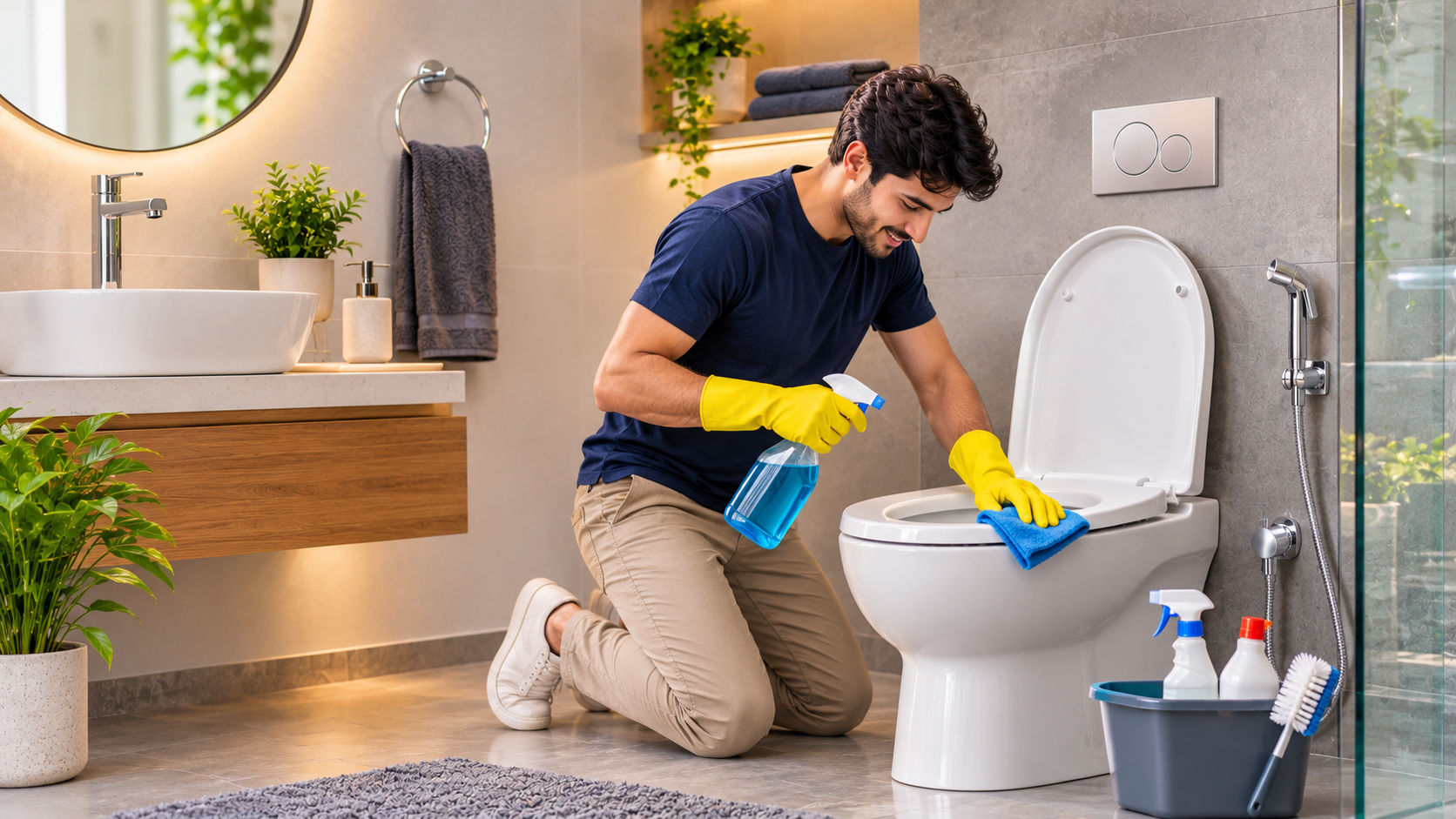
The bathroom is one of the most frequently used spaces in any home, making regular cleaning and maintenance essential for a healthy and comfortable living environment. From toilets and washbasins to showers, faucets, tiles and drains, every bathroom fixture requires proper care to maintain hygiene, prevent damage and function efficiently.
Bathrooms are constantly exposed to moisture, soap residue, hard water deposits, dirt and bacteria. Without regular cleaning, these conditions can lead to limescale build-up, unpleasant odours, clogged drains, mould growth, stained surfaces and deteriorating fittings. Some problems are easy to manage through everyday cleaning, while others require periodic inspection and timely maintenance.
Maintaining a clean bathroom does not necessarily require expensive cleaning products or complicated routines. Understanding the right cleaning methods for different materials, using suitable products and following a consistent maintenance schedule can make the process easier.
This guide explains how to clean and maintain every important area of your bathroom, including toilets, washbasins, faucets, showers, tiles, floors, drains and bathroom accessories. It also covers practical hygiene habits, common cleaning mistakes, preventive maintenance and ways to keep bathroom fittings in good condition for longer.
Why Is Regular Bathroom Cleaning Important?
Bathroom cleaning is about more than maintaining an attractive appearance. It helps control germs, reduce moisture-related problems, protect bathroom surfaces and ensure that plumbing fixtures continue to work properly.
A bathroom that is not cleaned regularly can develop several problems.
- Bacterial and microbial build-up: Frequently touched surfaces, toilet seats, flush buttons, faucet handles and other fixtures can collect microorganisms through regular use.
- Mould and mildew growth: Persistent moisture and poor ventilation create favourable conditions for mould and mildew, particularly around tile joints, silicone sealant and damp corners.
- Hard water stains: Minerals present in water can leave white or cloudy deposits on faucets, showerheads, glass and ceramic surfaces.
- Unpleasant odours: Accumulated dirt, blocked drains, stagnant water and poorly maintained floor traps can cause persistent bathroom smells.
- Clogged drainage: Hair, soap residue and other debris can accumulate inside drains, reducing water flow.
- Surface deterioration: Harsh chemicals, abrasive scrubbers and incorrect cleaning techniques can damage ceramic, chrome-plated and other finished surfaces.
- Plumbing problems: Small leaks, loose connections and damaged seals may go unnoticed without regular inspection.
A consistent cleaning routine helps identify these issues early. It also reduces the amount of effort required for deep cleaning because dirt and deposits do not have as much time to accumulate.
Bathroom Cleaning Supplies and Tools You Should Keep Ready
Having the right cleaning supplies makes bathroom maintenance more efficient. You do not need a large collection of specialised products, but it is important to use suitable tools for different surfaces.
Here are some useful bathroom cleaning essentials.
| Cleaning Supply | Primary Use |
|---|---|
| Microfibre cloth | Wiping faucets, mirrors, counters and finished surfaces |
| Soft cleaning sponge | Cleaning washbasins, bathtubs and ceramic surfaces |
| Toilet brush | Cleaning the inside of the toilet bowl |
| Bathroom cleaning solution | Removing everyday dirt and soap residue |
| Suitable toilet cleaner | Cleaning toilet bowls and removing stains |
| Glass cleaner | Cleaning mirrors and suitable glass surfaces |
| Soft-bristled brush | Cleaning tile joints and difficult corners |
| Floor wiper | Removing standing water from bathroom floors |
| Drain hair catcher | Preventing hair from entering drains |
| Rubber gloves | Protecting hands during cleaning |
| Dry cleaning cloth | Removing moisture after cleaning |
| Bucket and mug | Rinsing and general cleaning |
Choose cleaning products according to the material and finish of the surface. A product suitable for ceramic may not be appropriate for natural stone, plated metal or certain plastic components.
Always read the product label before use. Do not mix different cleaning chemicals, particularly bleach, acidic toilet cleaners and drain-cleaning products. Some combinations can release hazardous gases or cause harmful chemical reactions.
How to Clean a Bathroom Step by Step
A systematic approach makes bathroom cleaning easier and helps prevent dirt from spreading from one surface to another.
Ideally, clean from higher surfaces to lower surfaces. Start with mirrors, shelves and countertops, move to fixtures and sanitaryware, and finish with the floor and drain.
Prepare the Bathroom Before Cleaning
Before applying any cleaning product, remove items that may obstruct access to surfaces.
Take out used towels, bath mats, toiletries and removable accessories. Keep cleaning supplies within reach and open a window or switch on the exhaust fan to improve ventilation.
Wear suitable gloves and check that cleaning products are appropriate for the surfaces being cleaned.
If you are using a new cleaning solution, test it on a small, inconspicuous area first.
Clean Mirrors and Glass Surfaces
Mirrors and glass panels can develop water spots, fingerprints and soap residue.
Use a suitable glass cleaner and a clean microfibre cloth. Spray the cleaner onto the cloth or apply it according to the product instructions, then wipe the surface evenly.
For shower glass, remove water droplets after bathing using a suitable squeegee. This simple habit can reduce mineral deposits and soap residue.
Avoid abrasive scrubbers that can scratch glass or damage protective coatings.
Clean Shelves and Bathroom Countertops
Bathroom shelves and countertops often collect dust, toothpaste residue, soap deposits and water marks.
Remove the items placed on the surface and wipe it with a suitable cleaning solution. Pay attention to corners, edges and areas around the washbasin where water frequently collects.
Dry the surface after cleaning to prevent moisture from remaining around joints and fittings.
Clean the Washbasin
The washbasin is used repeatedly throughout the day and can collect toothpaste, soap residue, hair and mineral deposits.
Use a mild bathroom cleaner suitable for the basin material and a soft sponge. Clean the bowl, sides, rim and drain opening carefully.
Rinse thoroughly and wipe dry using a clean cloth.
For a better understanding of basin designs and bathroom installation considerations, explore the available Essco sanitaryware.
Clean the Toilet
The toilet requires particular attention because it is exposed to waste and frequent contact.
Apply a suitable toilet bowl cleaner according to its instructions. Allow the recommended contact time, then scrub the inside of the bowl using a dedicated toilet brush.
Clean the exterior separately, including the seat, lid, hinges, base and flush button. Use a suitable disinfectant or bathroom cleaner that is safe for the material.
Always use separate cleaning cloths for the toilet and other bathroom surfaces. This helps prevent cross-contamination.
Clean the Shower and Faucets
Showerheads, faucet handles and other water outlets can collect soap residue and mineral deposits.
Wipe their surfaces with a soft cloth and a suitable cleaner. Pay attention to the areas around handles, joints and water outlets.
For showerheads, inspect the nozzles for mineral deposits and clean them according to the manufacturer's recommendations.
Clean the Bathroom Floor
The floor collects water, hair, dust, soap residue and dirt carried in from outside.
Sweep or remove loose debris first. Apply a suitable floor cleaner and clean the surface using a mop or soft brush.
Pay special attention to corners, areas around the toilet and the shower entrance.
Rinse if required by the cleaning product and remove standing water using a floor wiper. Allow the floor to dry properly before replacing bath mats.
How to Clean and Maintain Your Toilet
The toilet is one of the most important fixtures in the bathroom and requires regular cleaning to maintain hygiene.
Both the inside and outside of the toilet should be cleaned. Focusing only on the bowl can leave frequently touched areas and hidden surfaces neglected.
Clean the Toilet Bowl Regularly
Apply a toilet cleaner suitable for the ceramic surface and follow the instructions on the label.
Use a toilet brush to clean:
- The inside of the bowl
- The area beneath the rim
- The water outlet openings, where accessible
- The lower bowl surface
- Areas around the waterline
Flush after cleaning if the product instructions permit it.
Avoid using abrasive metal brushes or sharp objects that can scratch the ceramic surface.
Clean the Toilet Seat and Lid
The toilet seat and lid are frequently touched surfaces and should be cleaned regularly.
Use a suitable bathroom disinfectant or mild cleaning solution. Wipe both sides of the seat, the lid, hinges and surrounding areas.
If the seat is removable, follow the manufacturer's instructions before detaching it for cleaning.
Avoid pouring strong chemicals directly onto plastic seats or hinges unless the manufacturer confirms that they are compatible.
Clean the Flush Button and Cistern Exterior
The flush button is touched frequently but is often overlooked during routine cleaning.
Wipe it with a soft cloth and a suitable surface cleaner. Avoid allowing excessive liquid to enter the button mechanism.
The outside of the cistern should also be wiped to remove dust, water spots and fingerprints.
Inspect the Toilet for Leaks
Cleaning is also a useful opportunity to check whether the toilet is functioning correctly.
Look for water around the base, moisture near the supply connection or continuous water movement inside the bowl.
A running toilet may indicate a worn flush valve seal or faulty fill valve. A leak around the base may suggest a damaged seal or connection.
Address these issues promptly. If the source is unclear or water is escaping from concealed connections, contact a plumber.
Prevent Toilet Blockages
Only flush human waste and toilet paper.
Avoid flushing wet wipes, sanitary products, cotton buds, paper towels, dental floss and other unsuitable materials. These can accumulate inside the trapway or drainage pipes and cause blockages.
If the toilet drains slowly or the water level rises during flushing, avoid repeated flushing. Use a suitable toilet plunger or seek professional assistance.
How to Clean and Maintain a Washbasin
A washbasin is exposed to water, toothpaste, soap, skincare products and other everyday substances. Regular cleaning helps prevent stains and keeps the surface hygienic.
Remove Soap and Toothpaste Residue
Apply a mild cleaner suitable for the basin material and wipe the surface with a soft sponge.
Clean around the drain, overflow opening and faucet base, where residue often accumulates.
Rinse thoroughly to remove cleaning product residue and dry the basin with a microfibre cloth.
Remove Water Spots and Mineral Deposits
Hard water can leave white or cloudy marks on washbasins.
Use a cleaner recommended for the basin material. Do not assume that acidic household solutions are safe for every surface.
Avoid abrasive powders and rough scrubbers, particularly on glazed or decorative finishes.
Keep the Drain Clean
Hair, toothpaste, soap and other debris can accumulate around the washbasin drain.
Remove visible debris regularly and use a suitable drain strainer if the design permits.
If water begins draining slowly, inspect the accessible drain area. Persistent blockages may require a suitable drain-cleaning tool or professional assistance.
Avoid Placing Heavy Objects on the Basin Edge
Washbasins are designed for normal bathroom use, not as storage platforms for heavy objects.
Avoid placing heavy containers or applying excessive pressure to the edges. This helps reduce the risk of accidental damage.
How to Clean and Maintain Bathroom Faucets
Bathroom faucets are used repeatedly throughout the day. Their surfaces are exposed to water, soap, fingerprints and mineral deposits, making regular cleaning important.
Proper maintenance can help preserve their appearance and identify small problems before they develop into leaks.
Wipe Faucets After Use
Water droplets left on faucet surfaces can dry and form mineral spots.
Wipe the faucet with a clean, soft microfibre cloth after use. Pay attention to the spout, handle, base and connecting areas.
This is particularly useful in bathrooms where hard water is common.
Remove Mineral Deposits Safely
Mineral deposits may develop around the faucet outlet and aerator.
Use a cleaning product approved for the faucet's material and finish. Follow the manufacturer's instructions and rinse thoroughly.
Avoid using steel wool, abrasive pads, harsh acids or strong chemical cleaners on plated surfaces.
Clean the Faucet Aerator
An aerator is a small component fitted at the faucet outlet. It helps regulate the water stream by mixing water with air.
Over time, sediment and mineral deposits may restrict its openings, leading to uneven or reduced water flow.
If the faucet design allows the aerator to be removed:
- Turn off the water if required.
- Unscrew the aerator carefully.
- Check for visible dirt and mineral deposits.
- Clean the component using a suitable method.
- Rinse it thoroughly.
- Reinstall it securely without overtightening.
- Test the water flow.
If the aerator is damaged or heavily blocked, replacement may be necessary.
Check for Dripping and Loose Connections
A faucet that continues dripping after being turned off may have a worn cartridge, washer or internal seal.
Inspect the area around the faucet base and supply connections for moisture.
Do not overtighten the handle to stop a drip. This can damage internal components. If the leak continues, identify the faulty part and arrange the appropriate repair.
For bathroom upgrades or replacement fittings, compare the available Essco faucets based on design, finish, installation requirements and maintenance needs.
How to Clean and Maintain Showerheads and Showers
Showerheads are exposed to water and mineral deposits every day. Over time, these deposits can block the nozzles, affect spray distribution and reduce water flow.
Regular cleaning helps maintain an even spray pattern and makes the shower easier to use.
Clean Showerhead Nozzles
Inspect the showerhead periodically for blocked or unevenly spraying nozzles.
Clean accessible nozzles using a soft brush or the cleaning method recommended by the manufacturer.
Do not use needles, knives or sharp metal objects to remove deposits. These can damage the nozzle openings and affect the spray pattern.
Remove Mineral Build-Up
Mineral deposits can accumulate inside showerheads, especially in areas with hard water.
If the showerhead is removable, follow the manufacturer's cleaning instructions. Use only cleaning solutions approved for its material and finish.
Avoid leaving plated or decorative showerheads in acidic solutions unless specifically permitted by the manufacturer. Prolonged exposure to unsuitable chemicals can damage the finish.
Clean Shower Hoses
Flexible shower hoses can collect dirt around their connecting nuts and develop wear through regular movement.
Wipe the hose with a soft cloth and inspect it for cracks, bulges or leakage.
Check both connection points for moisture. If water escapes from the middle of the hose or the hose is visibly damaged, replace it with a compatible model.
Maintain Shower Enclosures
Glass shower enclosures can develop soap scum and hard water marks.
After bathing, use a suitable squeegee to remove excess water from the glass. Clean it regularly with a compatible glass cleaner.
Inspect silicone sealant around the enclosure for cracks, gaps or peeling sections. Damaged sealant may allow water to escape onto the bathroom floor.
For suitable replacement options, compare the available Essco showers.
How to Clean Bathroom Tiles and Grout
Bathroom tiles and grout are exposed to moisture, soap, shampoo and cleaning products. Dirt can accumulate in the joints between tiles, while poor ventilation may contribute to mould growth.
The cleaning method should depend on the tile material and grout type.
Clean Wall and Floor Tiles
Use a cleaner suitable for the tile material. Apply it according to the instructions and wipe the surface using a soft sponge or mop.
Pay attention to corners, areas behind the toilet and the lower sections of shower walls.
Rinse if required and remove excess water to prevent residue from drying on the surface.
Clean Grout Lines
Grout lines can become discoloured as dirt and soap residue accumulate.
Use a suitable grout cleaner and a soft-bristled brush. Work gently along the joints and rinse according to the product instructions.
Avoid using harsh acids or aggressive scrubbing techniques, as they may damage grout or surrounding surfaces.
Address Mould and Mildew
Mould can develop where moisture remains for long periods.
Inspect grout joints, silicone edges, shower corners and areas around the washbasin.
For small surface patches, use a suitable mould cleaner according to the label. Ensure proper ventilation and wear the recommended protective equipment.
If mould keeps returning, check whether the area has a ventilation, leakage or waterproofing problem. Cleaning the visible growth without addressing the moisture source will not provide a lasting solution.
Protect Natural Stone Tiles
Natural stone surfaces such as marble and certain limestone varieties require special care.
Avoid acidic cleaners, vinegar, lemon juice and abrasive products unless the stone manufacturer specifically approves them.
Use a pH-neutral cleaner designed for the particular stone and follow the recommended maintenance procedure.
How to Keep Bathroom Drains Clean and Odour-Free
Bathroom drains carry away wastewater from washbasins, showers and floor areas. When hair, soap residue and other debris accumulate, water flow can slow down and unpleasant smells may develop.
Regular drain maintenance helps prevent minor blockages from becoming larger problems.
Remove Hair and Visible Debris
Hair is one of the common causes of bathroom drain blockages.
Use a suitable drain cover or hair catcher where possible. Remove collected hair and debris regularly.
For accessible drain covers, clean the removable components according to their design.
Prevent Soap and Dirt Build-Up
Soap residue can combine with hair and dirt to form deposits inside drains.
Avoid allowing large quantities of debris to enter the drain. Clean accessible drain covers and surrounding surfaces periodically.
Check Floor Traps
Floor traps help manage wastewater and prevent unpleasant drain gases from entering the bathroom.
Keep the trap clean and ensure that its water seal is maintained according to its design.
If a floor drain produces persistent odours, inspect it for debris, drying of the water seal or a possible drainage issue.
Avoid Mixing Drain-Cleaning Chemicals
Do not combine different drain cleaners, bleach, acids or other household chemicals.
Some chemical combinations can produce toxic gases or cause dangerous reactions. Follow product labels and use only one suitable cleaning product at a time.
For recurring blockages, slow drainage or water backing up through the floor drain, contact a plumber rather than repeatedly applying strong chemicals.
How to Prevent Mould, Mildew and Excess Moisture
Moisture is one of the biggest challenges in bathroom maintenance. Even a regularly cleaned bathroom can develop mould if water remains on surfaces and ventilation is inadequate.
The aim should be to reduce persistent dampness rather than relying only on cleaning products.
Improve Bathroom Ventilation
Use an exhaust fan during bathing and continue running it for an appropriate period afterwards.
If the bathroom has a window, open it when practical to allow fresh air to circulate.
Good ventilation helps remove humid air and allows wet surfaces to dry faster.
Dry Wet Surfaces After Bathing
Use a floor wiper to remove standing water. Wipe the washbasin, faucet and frequently wet countertops.
Remove excess water from shower glass and keep bath mats dry.
These small habits can significantly reduce moisture accumulation.
Wash and Dry Bathroom Mats and Towels
Wet towels and bath mats can retain moisture and develop unpleasant smells.
Hang towels in a well-ventilated area after use. Wash bath mats regularly and allow them to dry completely before placing them back on the floor.
Avoid leaving wet clothing or towels in enclosed bathroom spaces for long periods.
Repair Leaks Promptly
A small leak beneath the washbasin or around a toilet connection can keep nearby surfaces damp.
Check visible plumbing connections periodically and repair leaks as soon as possible.
If moisture appears on walls, ceilings or floors without an obvious source, arrange a professional inspection.
How to Maintain Bathroom Accessories and Fittings
Bathroom accessories such as towel rails, soap holders, hooks, shelves and dispensers are used frequently but may not receive the same attention as major fixtures.
Regular cleaning helps maintain their appearance and prevents dirt from accumulating around mounting points.
Clean Towel Rails and Hooks
Wipe towel rails and hooks with a soft cloth and a cleaner suitable for their finish.
Dry them after cleaning to prevent water spots.
Check wall-mounted accessories periodically for loose screws or unstable fittings.
Maintain Soap Holders and Dispensers
Soap residue can collect inside soap holders and around dispenser outlets.
Remove accumulated residue using a suitable cleaner. Rinse and dry the accessory before placing it back.
If a dispenser becomes blocked, follow its cleaning instructions rather than forcing the pump mechanism.
Check Shelves and Wall-Mounted Fittings
Inspect shelves and mounted accessories for loose supports, corrosion or water damage around the fixing points.
Do not overload shelves beyond their recommended capacity.
For compatible bathroom accessories and fittings, explore Essco allied bath fittings and mechanisms.
Bathroom Cleaning Mistakes You Should Avoid
Using the wrong cleaning method can damage bathroom fittings, reduce their lifespan and create additional maintenance work.
Avoid these common mistakes.
Using Abrasive Scrubbers on Finished Surfaces
Steel wool, rough scouring pads and abrasive powders can scratch ceramic glazes, plated faucets, glass coatings and decorative finishes.
Use soft cloths and non-abrasive cleaning tools unless the manufacturer recommends otherwise.
Using Strong Chemicals on Every Surface
A cleaning product that works on toilet bowls may not be suitable for faucets, natural stone or plastic accessories.
Always check the product label and surface compatibility before cleaning.
Mixing Cleaning Products
Never mix bleach with acidic toilet cleaners, vinegar, ammonia-based products or other household chemicals.
Some combinations can release toxic gases. Use products separately and follow their safety instructions.
Ignoring Hard Water Deposits
Leaving mineral deposits on faucets, showerheads and glass can make them increasingly difficult to remove.
Wipe surfaces regularly and clean deposits using compatible products before they become severe.
Leaving Standing Water on the Floor
Standing water can encourage mould growth, create unpleasant odours and increase the risk of slipping.
Use a floor wiper after bathing and allow the bathroom to dry properly.
Using the Same Cloth for the Toilet and Washbasin
This can transfer contamination from the toilet to other bathroom surfaces.
Use separate cloths and brushes for toilet cleaning, washbasins, faucets and general surfaces. Wash reusable cleaning cloths after use and allow them to dry completely.
Ignoring Small Plumbing Leaks
A dripping faucet or leaking pipe may appear insignificant, but prolonged leakage can waste water and damage surrounding surfaces.
Inspect visible connections and arrange repairs promptly.
A Practical Bathroom Cleaning and Maintenance Schedule
A regular cleaning schedule helps distribute maintenance tasks instead of leaving everything for an occasional deep clean.
The frequency should be adjusted according to household size, bathroom usage, water quality and ventilation.
| Frequency | Cleaning and Maintenance Tasks |
|---|---|
| Daily | Rinse the washbasin, wipe frequently touched surfaces, remove standing water and keep towels dry |
| Every 2–3 days | Clean the toilet bowl and seat, wipe faucets and inspect the bathroom floor |
| Weekly | Clean the shower, washbasin, mirrors, tiles, floor and bathroom accessories |
| Every 2 weeks | Inspect drain covers, clean accessible showerhead nozzles and check grout and silicone joints |
| Monthly | Inspect visible plumbing connections, check for leaks and clean accessible drain components |
| Every 3–6 months | Review the condition of seals, accessories, shower hoses and other frequently used fittings |
| As required | Repair leaks, clear blockages, replace damaged components and address mould or waterproofing problems |
A schedule is most effective when it is realistic. Daily tasks should take only a few minutes, while more detailed cleaning can be planned for a specific day each week.
How to Maintain Bathroom Hygiene in a Household
Bathrooms are shared spaces in many homes. Maintaining hygiene becomes easier when everyone follows a few simple habits.
Keep the Toilet Clean After Use
Flush the toilet after use and close the lid before flushing where practical.
Clean visible splashes immediately and keep the toilet brush and cleaning supplies in a designated area.
Wash Hands Properly
Handwashing is one of the most important bathroom hygiene practices.
Use soap and clean running water, and dry hands using a clean towel or suitable hand-drying method.
Keep Personal Hygiene Items Separate
Store toothbrushes, skincare products and personal hygiene items in clean, dry locations.
Avoid placing personal care products directly on wet surfaces or near the toilet bowl.
Replace Towels Regularly
Bathroom towels should be washed regularly and allowed to dry completely between uses.
Do not share personal towels where avoidable, and keep hand towels clean.
Maintain Separate Cleaning Equipment
Use dedicated brushes and cloths for the toilet, washbasin, shower and floor.
Store cleaning tools in a ventilated area so that they can dry properly after use.
How to Choose Bathroom Fittings That Are Easier to Maintain
The effort required to maintain a bathroom depends partly on the fixtures and materials installed.
When selecting bathroom products, consider not only their appearance but also their cleaning requirements, installation design and access to replacement components.
Choose Easy-to-Clean Sanitaryware
Toilets and washbasins should have surfaces that can be cleaned using suitable everyday bathroom products.
Consider the bowl design, accessible cleaning areas, finish and compatibility with the bathroom layout.
A well-selected sanitaryware product can make regular cleaning more convenient.
Consider Faucet Finish and Maintenance Requirements
Different faucet finishes may require different cleaning methods.
Check the manufacturer's recommendations for the specific finish and avoid assuming that all metal surfaces can be cleaned with the same products.
Wipe faucets regularly and address mineral deposits before they become difficult to remove.
Select Showerheads That Are Easy to Clean
Showerheads with accessible nozzles or convenient cleaning features can simplify maintenance.
For example, some Essco shower products feature the Rubit cleaning system, designed to help remove deposits from the nozzles.
When comparing shower options, also consider water pressure, installation compatibility and the manufacturer's care instructions.
Check the Availability of Replacement Components
Bathroom fittings contain components such as cartridges, washers, seals and valves that may eventually need replacement.
Before purchasing, review product information, warranty terms and the availability of compatible service components.
Consider Bathroom Accessories as Part of the Complete Setup
Towel rails, soap holders, hooks and other accessories contribute to everyday bathroom convenience.
Choose suitable materials and finishes based on their location and exposure to moisture.
Frequently Asked Questions About Bathroom Cleaning and Maintenance
How often should I clean my bathroom?
Frequently used bathroom surfaces should be cleaned regularly. The toilet, washbasin and high-touch areas benefit from frequent cleaning, while showerheads, tiles, drains and grout can be cleaned on a weekly or periodic schedule. The exact frequency depends on bathroom usage, household size and water quality.
What is the best way to clean a bathroom quickly?
Start by removing towels and toiletries. Clean the mirror, shelves and countertop first, followed by the washbasin, faucets, toilet and shower. Finish by cleaning the floor and removing standing water. Using separate cleaning cloths for the toilet and other surfaces helps maintain hygiene.
How do I remove hard water stains from bathroom fittings?
Use a cleaning product approved for the specific material and finish. Follow the product instructions and rinse thoroughly. Avoid harsh acids, abrasive scrubbers and unsuitable household remedies, particularly on plated faucets and decorative surfaces.
How can I prevent mould in my bathroom?
Improve ventilation by using an exhaust fan or opening a window after bathing. Dry wet surfaces, remove standing water, wash towels regularly and repair leaks promptly. If mould keeps returning, investigate the underlying moisture or ventilation problem.
How often should I clean my showerhead?
Inspect the showerhead regularly and clean it whenever you notice mineral deposits, reduced water flow or an uneven spray pattern. Follow the manufacturer's cleaning instructions and avoid sharp objects or chemicals that could damage the finish.
What should I use to clean bathroom tiles?
Use a tile cleaner suitable for the material and finish. A soft sponge or brush can help remove everyday dirt, while a suitable grout cleaner can be used for tile joints. Natural stone tiles may require pH-neutral products and should not be cleaned with unsuitable acidic solutions.
How do I keep my bathroom smelling fresh?
Clean the toilet, washbasin, floor and drains regularly. Remove standing water, wash damp towels and ensure that the bathroom is properly ventilated. If an unpleasant drain smell persists, inspect the floor trap and drainage system for blockages or a problem with the water seal.
How can I prevent bathroom drains from getting clogged?
Use suitable drain covers to catch hair and remove accumulated debris regularly. Avoid allowing soap residue, hair and other waste to enter the drains. Do not flush unsuitable materials down the toilet or wash large quantities of debris into the washbasin.
Can I use the same cleaner for the toilet, faucets and washbasin?
Not necessarily. Different surfaces require different cleaning products. A toilet bowl cleaner may be too harsh for faucets, plated surfaces or washbasins. Always check the product label and follow the manufacturer's cleaning instructions for each fixture.
How do I clean chrome-plated bathroom faucets?
Use a soft microfibre cloth and a cleaner approved for chrome-plated surfaces. Wipe gently, rinse if required and dry the faucet to prevent water spots. Avoid steel wool, abrasive powders and harsh chemicals that can damage the finish.
How do I maintain bathroom tiles and grout?
Clean tiles regularly using a compatible cleaner. Use a soft-bristled brush for grout lines and inspect them for cracks, discolouration or mould. Address damaged joints and moisture problems promptly rather than covering them with additional cleaning products.
Why does my bathroom smell bad even after cleaning?
Persistent odours may come from a blocked drain, dirty floor trap, dry water seal, hidden leakage or mould growth. Cleaning visible surfaces may not resolve the underlying problem. Inspect drainage points and concealed areas, and contact a plumber if the smell continues.
How can I prevent my bathroom floor from becoming slippery?
Remove soap residue and standing water regularly. Use suitable bathroom floor mats with non-slip backing and avoid applying cleaning products that leave slippery residue. Keep the floor dry after bathing and clean any spills promptly.
How often should I check bathroom plumbing for leaks?
Inspect visible plumbing connections, faucets, shower hoses and toilet supply connections periodically. A monthly visual check is a practical starting point. Address dripping faucets, damp patches and unexplained water accumulation as soon as they are noticed.
Is vinegar safe for cleaning all bathroom surfaces?
No. Although vinegar is used in some household cleaning methods, its acidity can damage natural stone, certain grout types, plated finishes and other sensitive materials. Use it only when the manufacturer confirms compatibility. A surface-specific cleaner is generally the safer choice.
How can I keep my bathroom hygienic in a shared household?
Clean frequently touched surfaces regularly, wash towels, maintain separate cleaning tools for the toilet and other fixtures, keep personal hygiene items stored properly and ensure that everyone follows basic handwashing practices.
Final Thoughts
A clean and well-maintained bathroom contributes to everyday hygiene, comfort and the long-term condition of bathroom fixtures. Regular cleaning helps prevent the accumulation of dirt, soap residue, hard water deposits and moisture, while periodic inspections can identify leaks, drainage problems and damaged fittings before they become more serious.
The most effective bathroom maintenance routine combines daily habits with weekly cleaning and periodic checks. Clean the toilet and washbasin regularly, wipe faucets and showerheads, maintain tile joints, remove hair from drains and ensure that the bathroom dries properly after use.
Equally important is choosing suitable cleaning products and using them according to the material and finish of each surface. Avoid abrasive tools, unsuitable chemicals and shortcuts that may damage bathroom fittings.
With consistent care, appropriate maintenance and timely repairs, homeowners can keep their bathrooms hygienic, functional and comfortable for years. A few simple habits followed regularly can make bathroom cleaning easier while helping protect the fixtures and surfaces that are used every day.


