


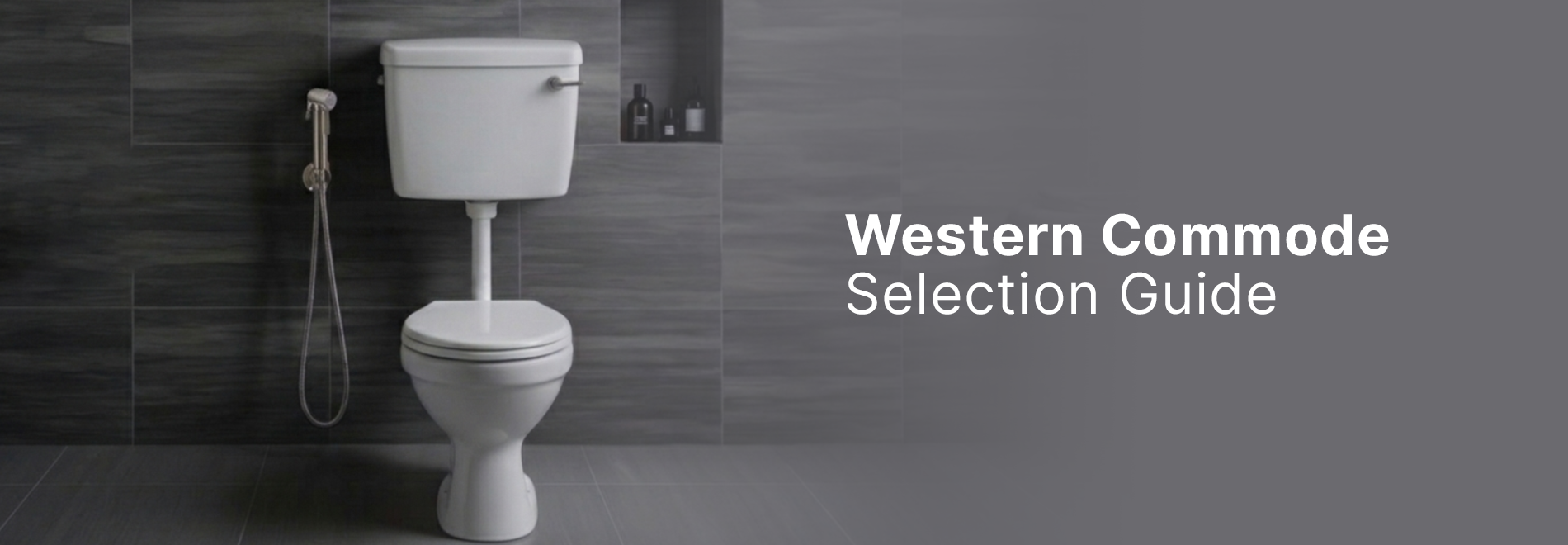
Choosing a Western Commode for your bathroom may seem simple, but there are several things to consider before making a purchase. The size of your bathroom, the available plumbing, the type of installation and your cleaning needs can all affect your decision.
With so many designs available, it is easy to focus only on appearance. However, a good Western Toilet should fit your bathroom properly and be comfortable to use every day. Understanding the main options will help you choose a design that suits your space and budget.
1. Understand the Different Types of Western Commodes
The first step is to understand the different designs available. Each type has its own features and installation requirements.
Wall-Hung WC
A wall-hung WC is fixed to the wall, keeping the floor beneath it clear. This design gives the bathroom a neat appearance and makes it easier to clean the floor around the fixture. It can be a useful option for smaller bathrooms, provided the wall structure and plumbing support the installation.
One-Piece Western Toilet
A one-piece Western Toilet combines the bowl and flush tank into a single unit. Since there are fewer joints between these parts, the overall design looks neat and is easier to wipe down. It can be a good choice for homeowners who prefer a simple design with fewer areas where dirt can collect.
Two-Piece Western Toilet
In a two-piece model, the bowl and flush tank are separate components connected during installation. This is a common design that offers a traditional look and a range of options for different bathroom layouts.
Rimless WC
A rimless WC has a bowl design without the conventional rim around its inner edge. This can make the inner surface easier to access during cleaning. The exact flushing performance and cleaning requirements depend on the model, so check the product specifications before buying.
2. Measure Your Bathroom Before Buying
Before deciding how to choose a Western Toilet, check the available space in your bathroom. A design that looks good in a showroom may not fit comfortably in your home.
Measure the area where the WC will be installed. Leave enough space in front of it and on the sides for comfortable use and cleaning. Check the position of the door, nearby walls, basin and other fixtures as well.
Do not rely only on product photographs. Check the dimensions listed by the manufacturer and compare them with your bathroom measurements.
3. Check the Plumbing and Installation Type
Plumbing is one of the most important things to check before purchasing a Western Commode. The outlet of the WC must match the drainage connection in your bathroom.
Two common outlet arrangements are:
-
S-trap: Generally used when the drainage connection goes through the floor.
-
P-trap: Generally used when the drainage connection goes through the wall.
The required outlet measurement can vary between models. Check the existing plumbing and the product's technical details before making a decision. If you are unsure, ask a plumber to inspect the connection.
You should also check whether the installation requires additional components, such as a concealed cistern or a suitable support frame. Confirm what is included with the product so that you can plan the installation properly.
4. Choose a Design That Suits Your Bathroom
The shape and appearance of a Western Toilet can influence the overall look of your bathroom. Some designs have rounded edges, while others feature a more rectangular shape.
A rounded design may suit a bathroom with softer shapes and curves. A rectangular design can work well in a space with straight lines and simple fittings. Choose a design you will be comfortable using for years rather than following a trend that may not suit your space.
5. Check the Material and Build Quality
A WC is used every day, so its material and finish deserve attention. Many bathroom models are made from vitreous china, a ceramic material commonly used for sanitaryware.
You should also look at the product specifications instead of judging quality by appearance alone. Details such as the material, dimensions, flushing arrangement and installation requirements can help you compare different models.
A well-chosen WC should meet your household's needs and suit the conditions in which it will be installed.
6. Check the Warranty and Product Details
Before finalising your purchase, review the warranty terms and confirm which parts are covered. Warranty periods and conditions can differ between products.
Check the product code, dimensions, outlet type, included components and installation instructions. If you are buying online, read the product description carefully and confirm any details that are unclear with an authorised dealer.
ESSCO by Jaquar Group offers sanitaryware options that include wall-hung WCs, one-piece WCs and rimless WCs, along with different basin designs. You can explore the ESSCO sanitaryware collection to compare available options and check individual product specifications.
Conclusion
Choosing the right Western Commode involves more than selecting a design you like. Start by measuring your bathroom, checking the plumbing and understanding the installation requirements. Then compare the available designs, material, flushing system, maintenance needs and warranty.
If you are wondering how to choose a Western Toilet for a small bathroom, focus on dimensions and available floor space first. For a larger bathroom, you may have more flexibility in your choice.
Take time to compare the specifications before buying. A suitable design will fit your bathroom, meet your everyday needs and remain easy to maintain over time.
Frequently Asked Questions
1. What are the different types of Western Commodes available for bathrooms?
Common options include wall-hung WCs, one-piece WCs, two-piece WCs and rimless WCs. Each design has different features and installation requirements.
2. How do I choose the right Western Commode for my bathroom?
Measure your bathroom, check the plumbing connection and compare the product dimensions. You should also consider comfort, flushing performance, cleaning and warranty terms.
3. Which Western Commode is best for a small bathroom?
A compact model or wall-hung WC may work well in a small bathroom. Check the dimensions and installation requirements to make sure the design fits your space.
4. What is the difference between a one-piece and a two-piece Western Commode?
A one-piece model combines the bowl and flush tank into one unit. A two-piece model has a separate bowl and tank connected during installation.
5. What factors should I consider when buying a Western Commode?
Consider the bathroom size, plumbing, outlet type, material, flushing system, cleaning needs, installation requirements and warranty.
6. How do I choose the right size of a Western Commode?
Measure the installation area and check the product's length, width and height. Confirm the outlet position and leave enough space around the fixture for comfortable use and cleaning.


